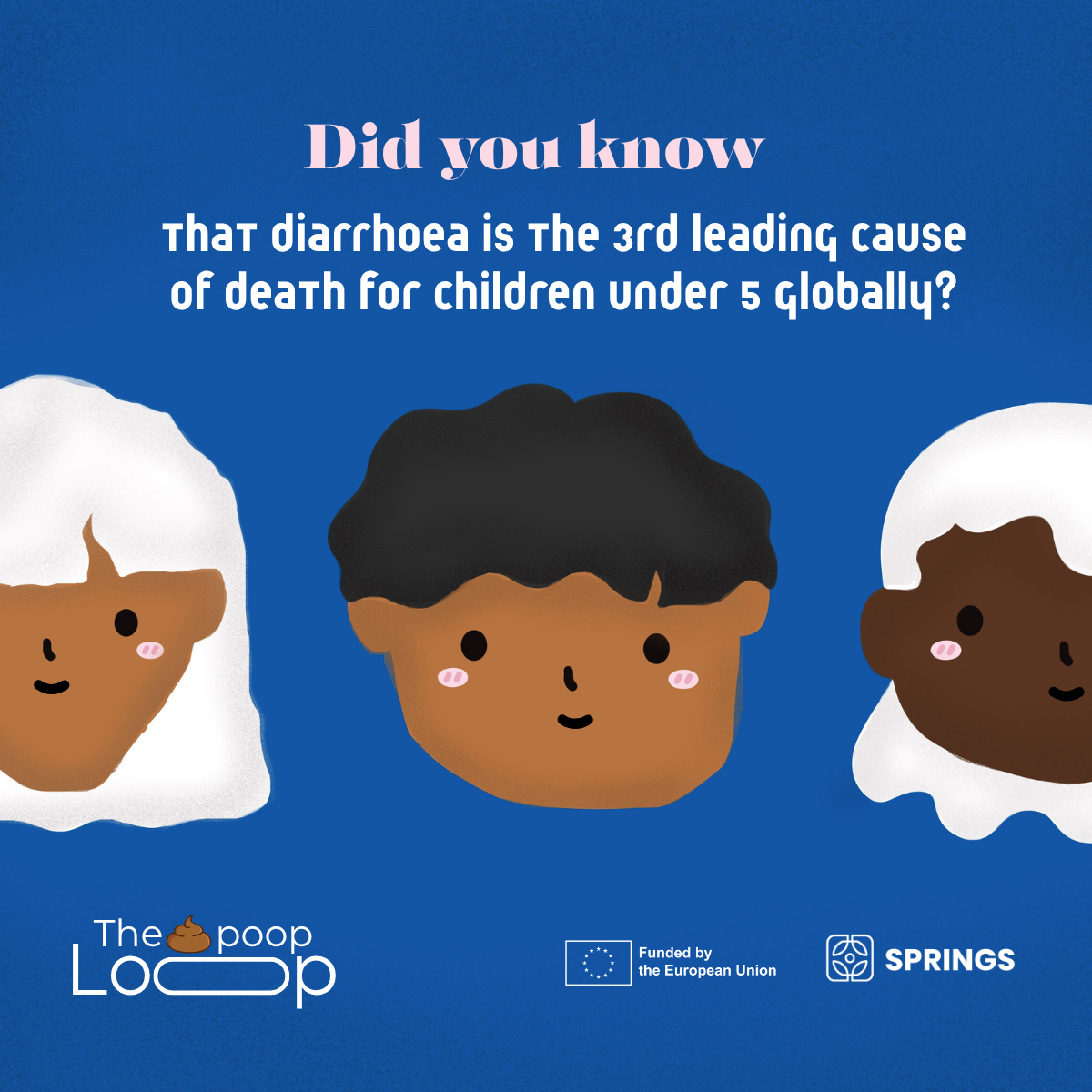
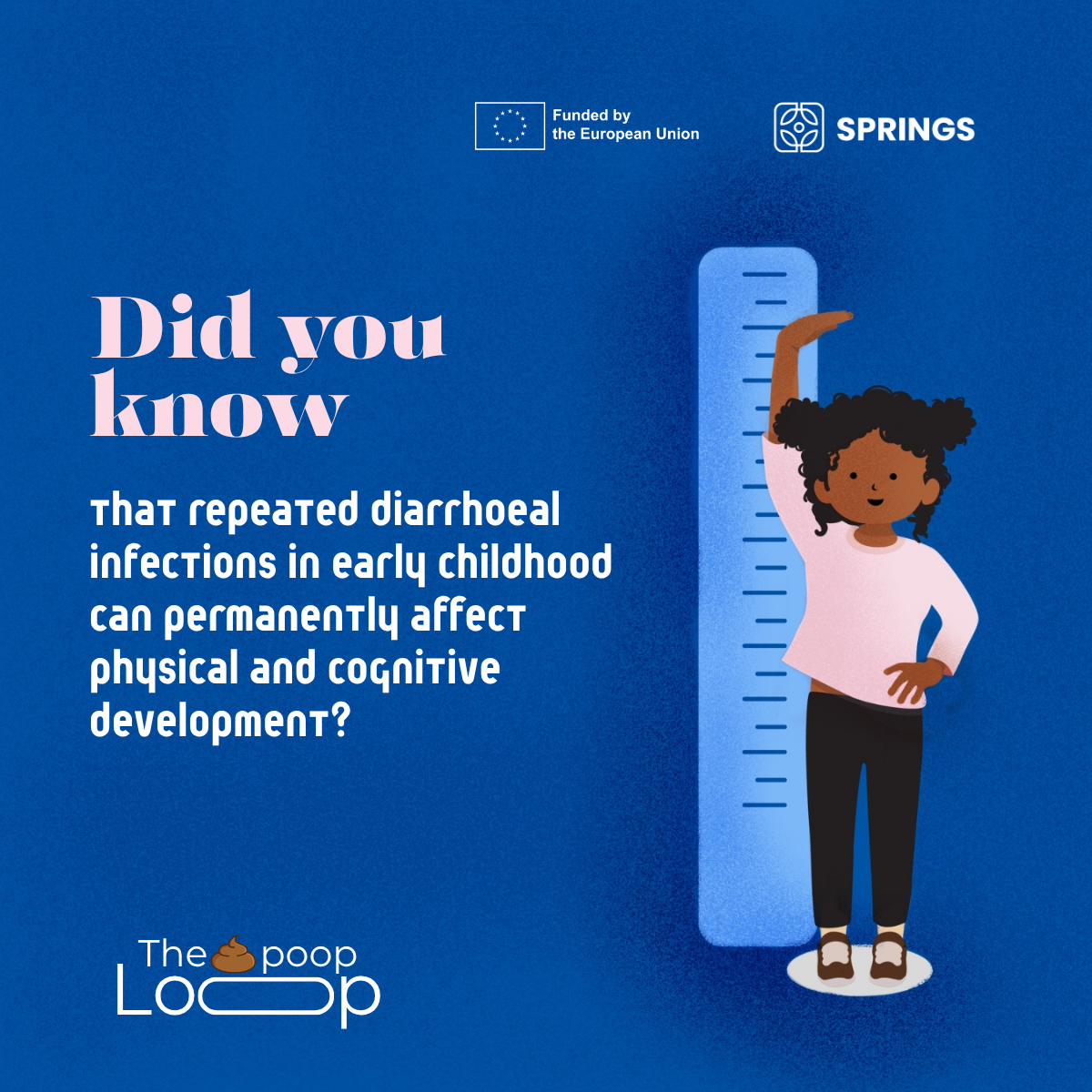
Every year, diarrhoeal diseases caused by unsafe water kill over 500,000 children under five and climate change is making the risk worse
#BreakTheLoop. Water shouldn't put us at risk
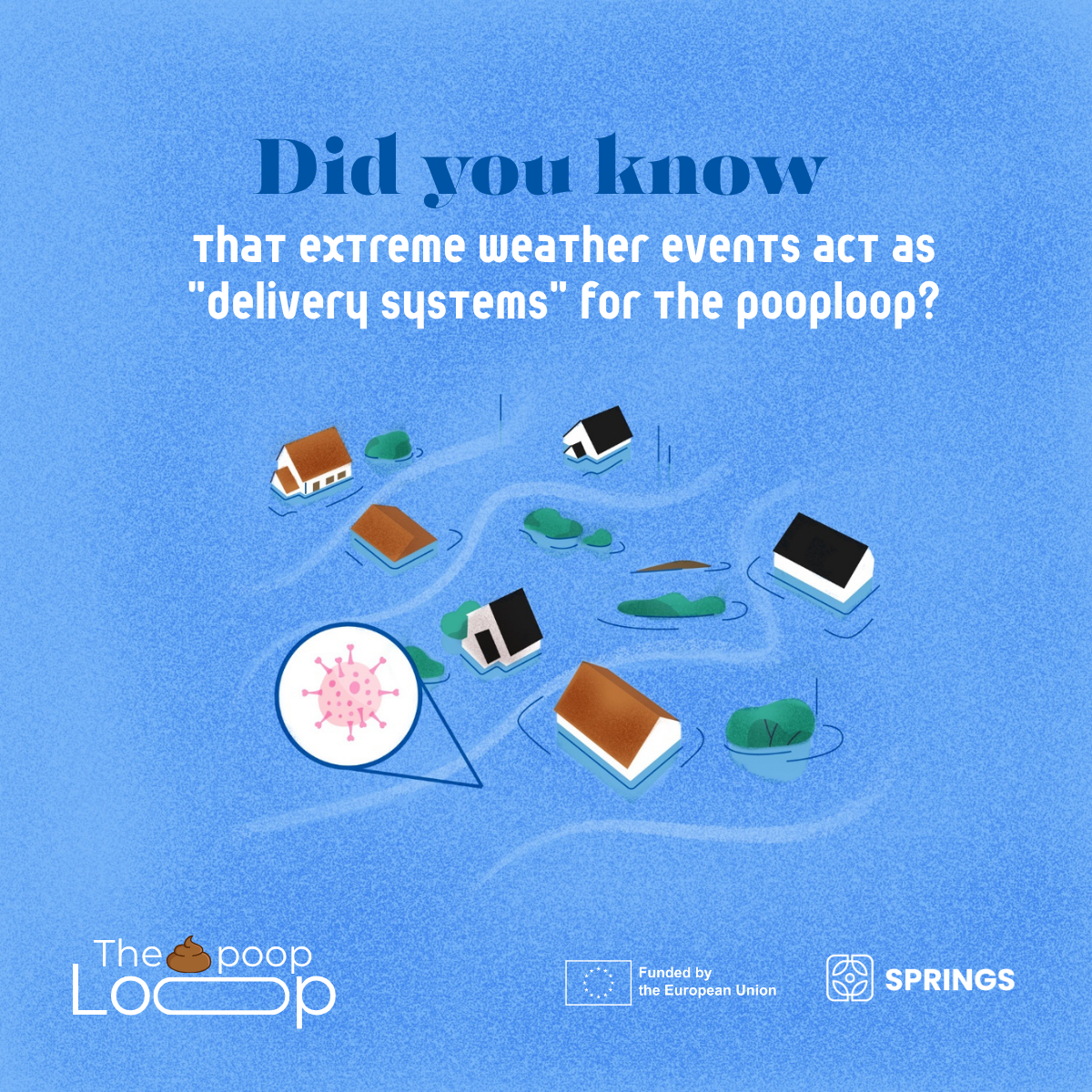
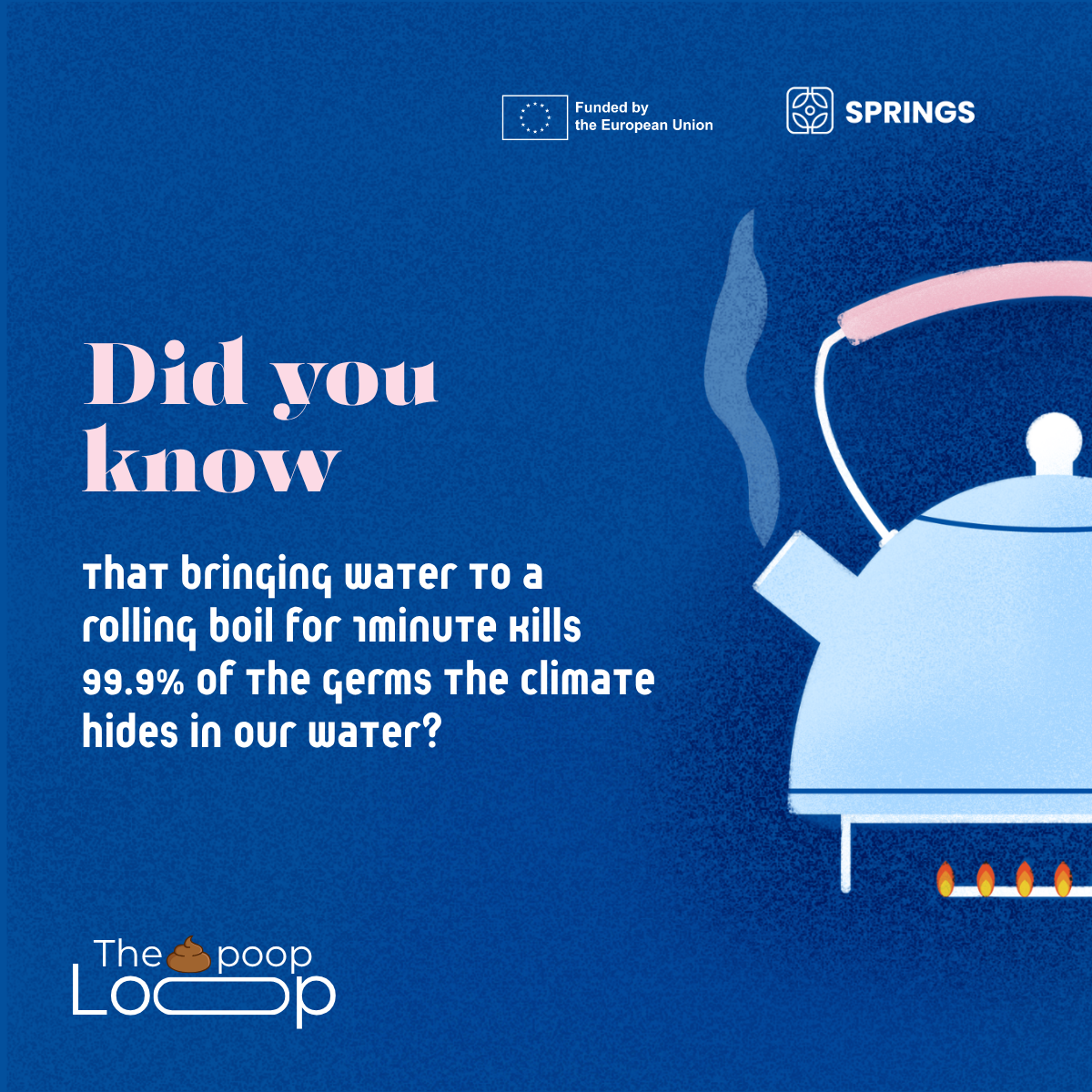
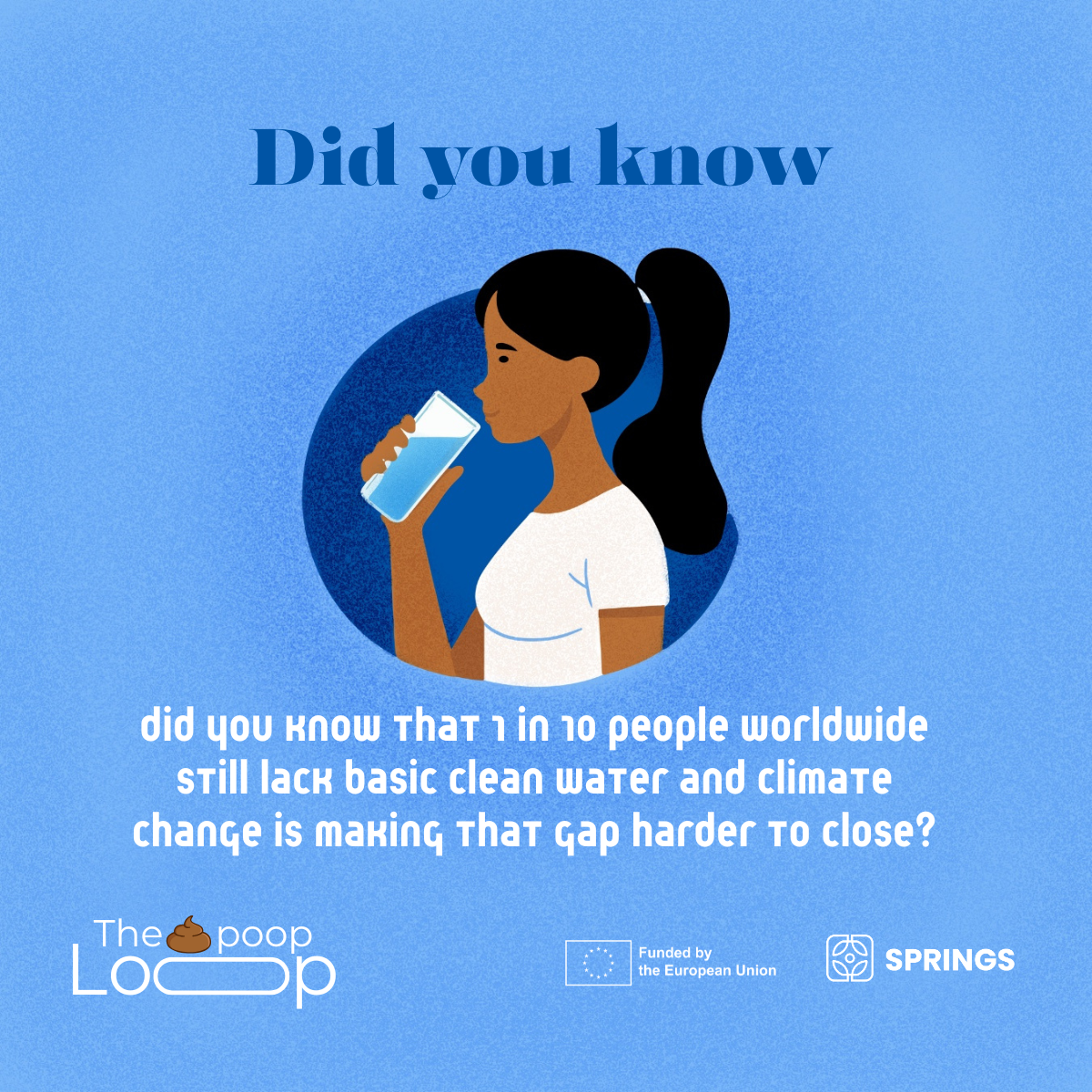
Waterborne diarrhoeal diseases are particularly climate-sensitive. Higher temperatures can increase bacterial growth, heavy rains can contaminate water supplies with pathogens. Water should protect health, not put it at risk. But in many parts of the world, climate change is making safe water harder to guarantee. Floods can spread contamination into drinking water sources. Droughts can concentrate harmful pathogens and force communities to rely on unsafe alternatives.
This creates a cycle, where climate pressures, water systems, and health risks reinforce each other. We call this the PoopLoop. Understanding this cycle is key to breaking it. Because diarrhoeal disease is not just a matter of hygiene or access, it is increasingly shaped by a changing climate.By making these connections visible, this campaign aims to help people better understand the problem and why protecting water means protecting health, especially for the most vulnerable.
What's the campaign about
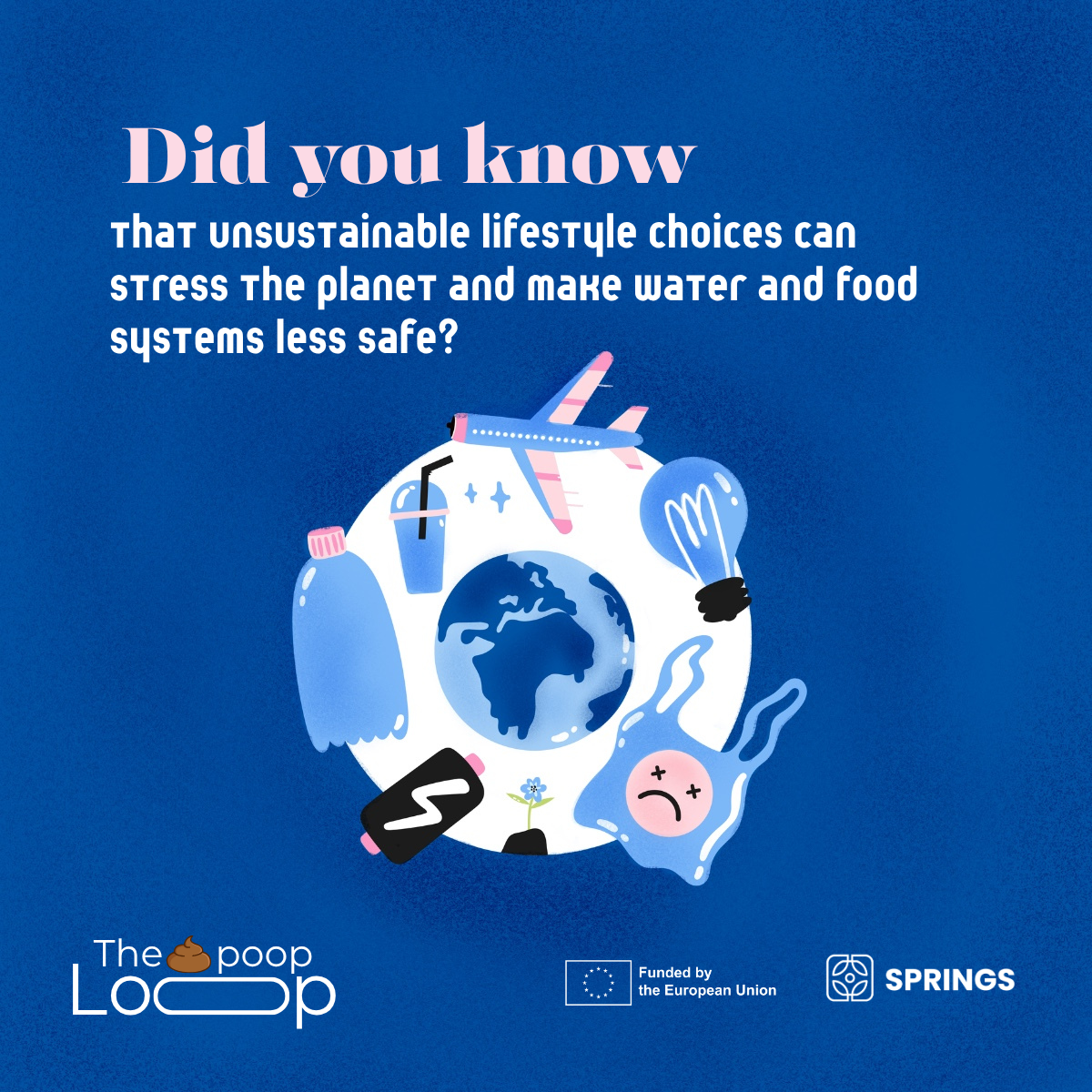
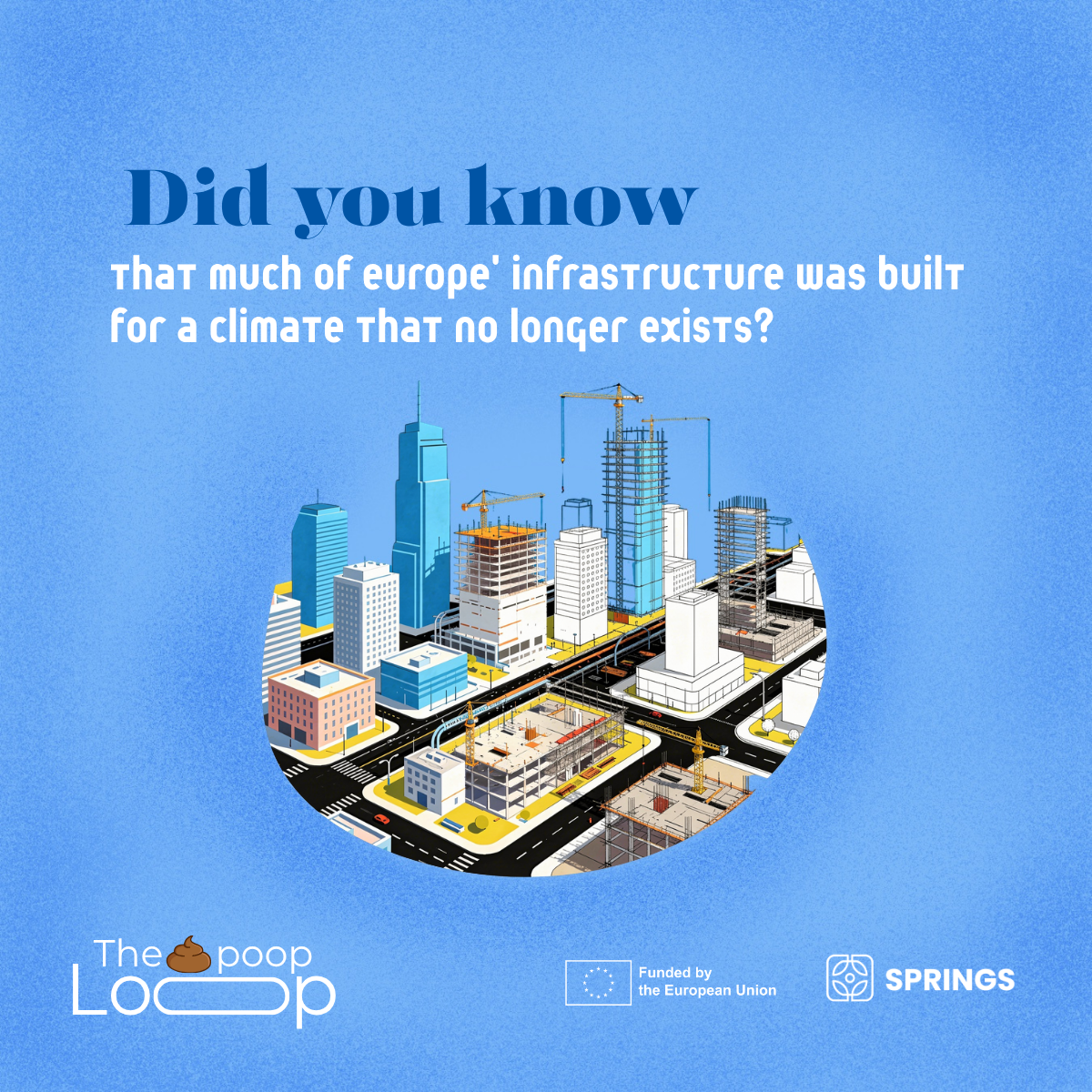
The PoopLoop aims to raise awareness of the links between climate, water, and health, and how they create a cycle that affects public health. Each part of the campaign explores a different piece of the puzzle, from how extreme weather spreads contamination, to how infrastructure, inequality, and everyday choices shape water safety.
You can explore the posts below, use them in your own work, or share them with your networks.
Go further
If you want to understand the issue in more depth, or use this knowledge in your work, we’ve gathered additional resources to support you, including research and insights from the SPRINGS project.
Breaking this cycle requires action at many levels, from how we design systems to how we share information. You can contribute by: Sharing the campaign and starting conversations Supporting efforts that improve access to safe water and sanitation Promoting evidence-based approaches to climate and health
Small actions, when multiplied, can help shift systems.



.png)
.png)
.png)
.png)